
A marketing landing page gives a visitor a focused route from an advertisement, email or social post to a useful next step. It can explain an offer, answer objections and make a signup or purchase easier to complete.
The page still needs enough information for an informed decision. Removing every link and surrounding a button with persuasive copy does not automatically create a good experience or a better business result.
Define the offer and the action
Choose a primary objective, such as requesting a demonstration or capturing email addresses for a specific resource. Explain who the offer suits, what the person receives and what happens afterward. Request only the information necessary for that step.
Match the page to the message that brought the visitor. A promotion for a particular plan should not lead to an unexplained general homepage. Include relevant conditions, pricing or a clear way to find them before the person commits.
Read engagement metrics carefully
A faster, clearer page may improve the experience, but a lower bounce rate is not a complete definition of success. In GA4, bounce rate measures the share of sessions that were not engaged under its session rules. A person can leave after finding an answer, while another can spend time struggling with a confusing form.
Do not present an analytics bounce rate as a direct Google ranking lever. Assess page experience, the usefulness of the content and the desired outcome separately.
Reduce the friction that matters
A relevant explanation, credible evidence and a usable form can improve the chances of conversion. Test the actual journey rather than adding every fashionable conversion tactic.
- Headline: state the offer clearly and avoid claims the page cannot support.
- Evidence: show accurate specifications, an example or a genuine testimonial with permission and relevant disclosures.
- Action: label the button so people understand whether they are requesting information, starting access or paying.
- Form: use clear field labels, understandable errors and a confirmation that explains the next step.
- Trust: make appropriate contact, privacy and material offer terms easy to find.

Give search visitors a useful page
A focused page can answer a specific product or service question, but being called a landing page does not confer a ranking advantage. If the page is intended for organic discovery, make it accessible, informative and connected to relevant site navigation. Avoid many near-identical thin pages created only to repeat keyword variants.
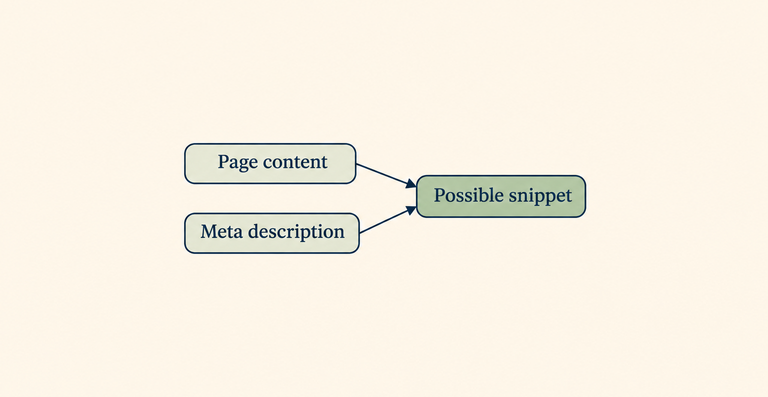
Keep titles and summaries accurate, preserve established URLs when practical and maintain time-sensitive information. Google’s page-experience guidance considers the overall experience, rather than promising rankings from one metric or a particular page template.
Use visuals to explain the offer
A screenshot, illustration or demonstration can help to engage visitors when it clarifies a real task. Use assets you have the right to publish, optimize their delivery and provide appropriate alternatives. Avoid making an essential price or condition readable only inside an image.
For a software evaluation page, connect the promise to documented capabilities. Someone assessing SU Social may need its features and system requirements before deciding whether to proceed. Give the reader that information at the point it affects the decision.

Test mobile, delivery and measurement
The increasing use of mobile devices makes small-screen testing a practical requirement. Check the page in common phone and in-app browsers, including form keyboards, button targets, loading and confirmation. Ensure any promised email or download actually arrives.
Verify the conversion event before comparing results. Test one meaningful change with a suitable audience and observation period, and evaluate qualified outcomes alongside completion rate. A shorter form that brings unsuitable leads may create more work without creating more value.
Review the page when the offer changes and after significant technical updates. The purpose is a clear, reliable decision path that the business can fulfill, not an indefinitely rising conversion percentage.
Meet the Author
Allan Davis is a seasoned mobile app developer with over 7 years of experience in developing innovative and user-friendly mobile applications. He has a deep understanding of both iOS and Android platforms and a proven track record of delivering high-quality, responsive, and scalable applications.


Leave a Reply