
A catchphrase gives people a short way to recognize or repeat a brand idea. It is useful when the words express something the business actually delivers. Treat it as a creative choice to test for meaning and brand association, rather than a shortcut to loyalty or sales.
Defining Catchphrases in the Context of Branding
A catchphrase is a concise and memorable expression that encapsulates the essence of a brand or product. It is often designed to be catchy and easily recognizable, making it a vital component of branding efforts. Teams use catchphrase, slogan, and tagline differently; there is no universal rule separating them. For this article, the following are useful working descriptions rather than fixed categories.
- Catchphrases are generally informal and can change over time, often being used in a specific context or campaign.
- Slogans are more formal and consistent, representing the brand’s overall philosophy or mission.
- Taglines are succinct phrases that serve as a brief descriptor of the brand, often used in conjunction with the logo.
Conceptual model: Three invented phrase examples set in letterpress type.
Characteristics of effective catchphrases include simplicity, memorability, and emotional resonance. A well-crafted catchphrase should be easy to remember and repeat, allowing it to stick in the minds of consumers and encouraging word-of-mouth promotion.
The Importance of Catchphrases in Social Media
In the dynamic world of social media, where attention spans are fleeting and competition is fierce, catchphrases emerge as powerful tools for branding. These memorable phrases serve not only as quick identifiers for brands but also as catalysts for emotional connections and user engagement. Understanding the importance of catchphrases can help marketers use this essential element to elevate their brand presence in an increasingly crowded digital space.
Instant Recognition
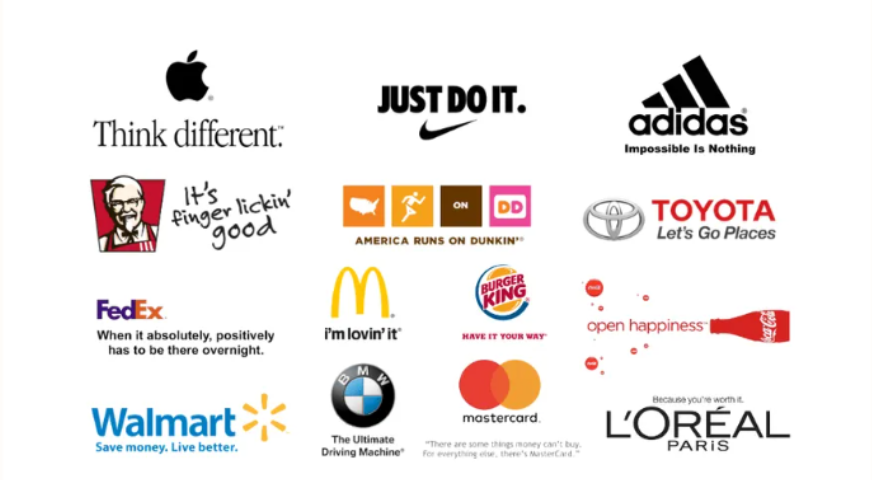
In the fast-paced environment of social media, where attention spans are short, catchphrases enhance brand recall by providing a quick reference point for consumers. A catchy phrase can immediately evoke a brand’s identity, distinguishing it from competitors. For instance, Nike’s “Just Do It” is not only iconic but also instantly recognizable, prompting an immediate association with the brand’s ethos of motivation and achievement.
Catchphrases facilitate instant recognition, enabling brands to create a unique presence in crowded social media feeds. This instant identification is critical in a landscape filled with content, as consumers are often bombarded with messages from numerous brands daily.
Emotional Connection
Catchphrases play a crucial role in building an emotional connection between the brand and its audience. A well-crafted phrase can resonate with consumers’ feelings and aspirations, building loyalty and engagement. As a historical campaign example, Coca-Cola’s “Open Happiness” expressed the essence of joy and togetherness, tapping into consumers’ desires for positive experiences.
When a catchphrase aligns with the audience’s values or emotions, it can create a powerful bond. This emotional connection not only enhances brand loyalty but also encourages consumers to share their experiences with others, amplifying the brand’s reach through organic engagement.
Engagement and Interaction
In the realm of social media, catchphrases encourage user participation and sharing, vital components of successful engagement strategies. Brands can invite consumers to interact by incorporating catchphrases into campaigns, contests, or hashtags. Wendy’s “Where’s the Beef?” began as a 1984 television commercial, long before today’s social platforms. It is a historical example of a repeatable phrase, not evidence that adding a catchphrase to a modern post will increase engagement.
Social media platforms thrive on content sharing, and when consumers resonate with a catchphrase, they are more likely to share it with their networks, further amplifying the brand’s message. This participatory culture enhances the brand’s visibility and builds community among its followers.

Illustrative example: Felt speech shapes connected with stitched thread.
Strategies for Creating Effective Catchphrases for Social Media
Creating an effective catchphrase for social media is essential in capturing the attention of an audience inundated with content. A well-crafted catchphrase can elevate a brand’s message, build emotional connections, and enhance engagement. From ensuring simplicity and relevance to maintaining adaptability and consistency across platforms, these strategies will help brands craft memorable phrases that not only define their identity but also encourage user interaction and loyalty in the digital landscape.
Simplicity and Memorability
The first step in crafting an effective catchphrase is ensuring its simplicity and memorability. Phrases that are short, catchy, and easy to remember are more likely to stick in consumers’ minds. For example, Apple’s “Think Different” is concise yet powerful, capturing the brand’s innovative spirit without overcomplicating the message.
Relevance
Relevance is critical when developing a catchphrase. It is essential to ensure that the phrase resonates with the target audience’s interests and values. Conducting audience research can help marketers understand what themes and emotions resonate with their followers. A relevant catchphrase not only captures attention but also builds a deeper connection with the audience.
Adaptability
Creating a versatile catchphrase that can be used across various platforms and contexts is another important strategy. A successful catchphrase should be adaptable to different types of content, whether it’s a promotional post, a customer engagement initiative, or a campaign across various social media channels. This adaptability allows brands to maintain consistency in their messaging while also being flexible in their approach.
Consistency
Finally, maintaining brand voice and message continuity across all channels is crucial. A catchphrase should align with the overall brand identity and ethos, reinforcing the message across different platforms. Consistent use of a catchphrase not only builds recognition but also strengthens the brand’s voice in the marketplace.
The phrase specimen uses invented writing examples, not historical brand taglines or tested campaign winners. Match any actual product claim to evidence before using similar wording.
Wrapping Up
Catchphrases play a critical role in enhancing social media branding by providing instant recognition, building emotional connections, and encouraging engagement. In an era where consumer attention is fleeting, a well-crafted catchphrase can serve as a powerful tool for brands to differentiate themselves and resonate with their audience. These succinct phrases can encapsulate a brand’s values and personality, making them not just memorable but also relatable. they can act as rallying cries that unite communities around shared interests and beliefs, amplifying the brand’s reach through organic sharing and interaction.
As brands navigate the ever-evolving landscape of social media, the strategic use of catchphrases can help build brand loyalty and recognition. By focusing on simplicity, relevance, adaptability, and consistency, marketers can develop effective catchphrases that not only capture attention but also create lasting impressions. In a world saturated with content, the right catchphrase has the potential to transform a brand’s identity and engage consumers in meaningful ways, supporting a recognizable message when the product and customer experience back it up.
Test the phrase without teaching the answer
Write a small set of candidates around one clear promise. Show each in the same realistic post context to people who resemble the intended audience. Ask what it means, which kind of business it suggests, and whether any wording feels confusing or uncomfortable. Later, check what they recall and whether they connect it to your brand. A line can be memorable while advertising the wrong idea.
A hypothetical repair shop might test “Keep good things going” against a more specific line about repairs. Check translations, unintended meanings, availability, and the evidence behind any claim before adopting either. Record the chosen wording, approved variations, pronunciation, and situations where it should be omitted, such as a serious complaint response.
Wendy’s own history dates the famous example. For the resulting public posts, SU Social’s Campaigns View can group campaigns by tag or status so a team can find related work; the words and their suitability still need editorial judgment.
Meet the Author
Samantha Lopez has helped businesses grow their online presence and drive sales through the power of social media. As a certified Social Media Strategist, she specializes in crafting engaging content, developing targeted ad campaigns, and leveraging Instagram analytics to maximize results. Samantha’s passion for visual storytelling, coupled with her expertise in the ever-evolving Instagram landscape, has enabled her to deliver exceptional results for brands across various industries.



Leave a Reply